
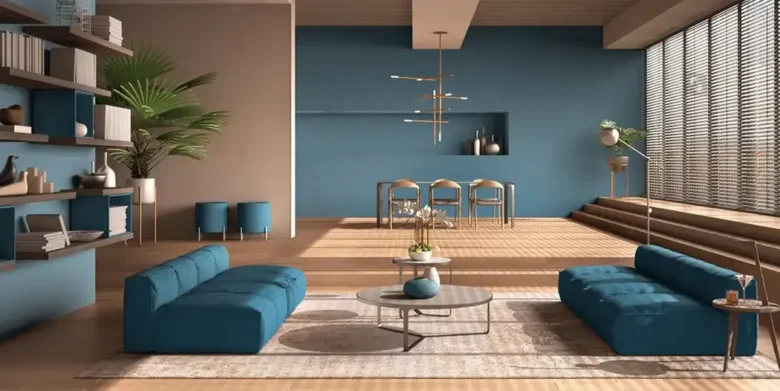
Life is short, and home should be a sanctuary where you can relax and unwind amidst work, family, and endless notifications. Creating a peaceful home environment is about building a safe, balanced, and comfortable space, rather than striving for excessive decorations or a perfect design. In a peaceful environment, your thoughts flow naturally. The good news is that you don’t have to make major changes. A few subtle but thoughtful adjustments can make a big difference. From color and lighting to daily habits, everything is important. This article will show you some practical and easy-to-implement strategies for creating a peaceful and warm haven. Don’t let your home become a burden, but a service to you.
1. Understanding What a Calm Home Really Means:
A peaceful home is balanced, neither cold nor empty. Here, everything is within reach, and you can be yourself without feeling pressured. Peace doesn’t mean dullness; it represents a mindful approach. The atmosphere is light, every object has a purpose, and every space feels open.
Imagine your home as a place for quiet conversation, not a heated argument. Natural elements, soft colors, and pristine surfaces reduce visual distractions. When your environment is warm and uncluttered, your mind doesn’t have to work difficult. The real goal is to create an atmosphere that naturally promotes tranquility.
2. Organize to Promote Visual and Mental Peace:
Clutter is one of the biggest threats to tranquility. Even a beautiful room can appear cluttered if just one area is disorganized. Start small. Choose a drawer, shelf, or corner. Get rid of anything you no longer love, need, or use. If something doesn’t bring you joy or doesn’t serve a practical purpose, it’s time to let it go.
Use simple storage solutions like baskets, boxes, and shelves to keep things neat, organized, and easily accessible. Clean, uncluttered surfaces create a sense of space and order. When your vision is less obstructed, you feel more relaxed. The goal of tidying is to create a peaceful space, not to strive for perfection.
3. Using Colors and Lighting to Set the Mood:
Color has a powerful influence on our emotions. Warm white, light gray, beige, and soft blue are all soft neutrals that create a calming atmosphere. These shades convey a sense of openness and spaciousness by gently reflecting light. If painting the walls isn’t practical, you can still use wall coverings, pillows, curtains, and rugs to add soothing colors.
Lighting is also crucial. Natural light, warm-toned lamps, and soft lighting can all create a pleasant atmosphere, but harsh overhead lights can be tiring. To create soothing lighting in the evening, consider using floor lamps or table lamps. During the day, close the curtains to let light into the room. Well-applied lighting can significantly transform the atmosphere of your home.
4. Creating Peaceful Spaces Room by Room:
Every room in the house has its purpose and can be carefully decorated to create a calming atmosphere.
Keep the living room open and provide comfortable seating. Don’t overcrowd the space with furniture. Bedrooms should focus on creating a warm and comfortable atmosphere, with soft colors, clean linens, and minimizing distractions. This space should promote relaxation. Clean countertops and well-organized cabinets in the kitchen make cooking easier. Fresh towels, simple furniture, and soft lighting can also create a soothing atmosphere in the bathroom.
When every room feels functional, the entire home functions more efficiently. Each area coexists harmoniously, instead of competing for attention.
5. The Influence of Sound, Touch, and Smell:
Peace isn’t just about appearance; it also encompasses touch, sound, and smell. For example, the fresh scent of linen, lavender, or vanilla can instantly create a calming atmosphere. To create a soft, rather than overpowering, ambiance, consider using aromatherapy diffusers, candles, or natural air fresheners.
Sound is also important. Soothing nature sounds, or even soft background music, can contribute to the ambiance. Turn down the volume when you’re not using your phone or television. Materials are also important. Soft pillows, cozy blankets, smooth wood floors, and warm rugs enhance warmth and comfort. These small details work together to create a pleasant environment.
6. Bringing Nature Indoors for Natural Balance:
Bringing natural elements indoors can have a relaxing effect. A simple way to add vibrancy and freshness to any space is with houseplants. They add color without being overpowering and soften the sharp edges of a room. Just one or two plants can transform the atmosphere of a room.
If you don’t like plants, natural materials like wood, stone, cotton, and linen can achieve the same effect. Cotton curtains, wooden tables, or woven baskets can give your home a warm, cozy, and homey feel. Just as nature invites us to relax, so should your home.
7. Daily Habits for a Peaceful Environment:
Daily habits are just as important as the interior design for a peaceful home. A few simple daily routines can easily create a peaceful atmosphere. Make your bed after waking up in the morning. Tidy your room and put things back in their place before going to bed. These small actions can prevent the situation from getting worse.
Try to establish a simple bedtime ritual, such as dimming the lights, playing soothing music, and preparing for the next day. These habits signal your brain that it’s time to relax. Eventually, they become automatic habits, keeping your home calm and tidy.
8. Maintaining Peace in a Busy Household:
Maintaining peace can be challenging if you live with family members, children, or roommates, but it’s not impossible. Shared responsibility and clear rules are crucial. Use labeled lockers so everyone knows where their belongings are. Establish ground rules, such as keeping shoes away from the door and the dining table clear of clutter.
Involve everyone in keeping the house clean. Balance is achieved when everyone contributes. However, be flexible. A quiet or rigid home isn’t necessarily peaceful. A peaceful home is a place where you can enjoy stress-free activities and simultaneously relax.
Conclusion:
Creating a peaceful home environment isn’t about copying magazine photos or following trends. It’s about understanding what makes you feel relaxed and refreshed. You need to be able to think clearly, breathe freely, and feel comfortable at home. Any environment can be transformed through cleanliness, incorporating natural elements, and using soft lighting and soothing colors. Over time, small habits and attention to detail can have a huge impact. Remember that consistency, not perfection, is the key to creating peace. Enjoy the process, be patient, and start small. Perhaps you’ll be able to truly transform your home into a private oasis, away from the bustle.
FAQs:
1. How long does it take to create a peaceful home?
The size of your space and the extent of the changes you want to make determine the time required. Small changes can be implemented in a day. Larger changes can take several weeks. 1. The key isn’t speed, but steady progress.
2. Can a peaceful home also be stylish and modern?
Absolutely. Simplicity doesn’t equal tranquility. Comfortable materials, clean lines, and soft colors can perfectly complement modern design. Tranquility and style can coexist harmoniously.
3. What’s the easiest way to create a peaceful home?
Start by cleaning a small area. A spotless surface can instantly transform an entire room. This small victory will motivate you to keep going.
4. Is buying new furniture necessary to create a more peaceful home?
Of course not. Soft lighting, clutter clearing, and rearranging existing items can all yield significant results without incurring significant costs.
5. How can I maintain peace in my home with children?
Establish daily routines, use simple storage solutions, and let children help with tidying. Balance, rather than rigid restrictions, is the key to a harmonious family life.

