
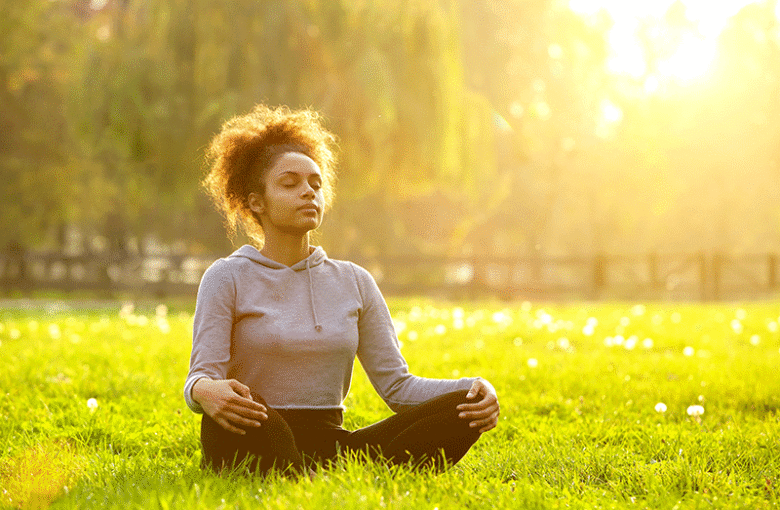
The essence of mindfulness lies in being fully aware of the present moment, without judgment. Daily mindfulness practices can reduce stress, improve concentration, and restore mental balance, thereby improving both physical and mental health. Mindfulness is easy to learn and can be easily integrated into daily life, unlike some other self-improvement methods that are complex and difficult to understand. You can practice it anytime, anywhere, without special equipment or extensive training. This article introduces some simple, easy-to-implement, and lasting mindfulness exercises that can help you improve your physical and mental health.
Breathing Mindfulness
A simple way to improve your awareness and health is to focus on your breathing. By focusing on each inhalation and exhalation, you can calm your mind and relieve physical stress. Conscious breathing can help you manage your emotions, reduce stress, and think more clearly. Just a few minutes of deep breathing each day can bring inner peace. Practicing focused breathing during work breaks, before meals, or while waiting in line can transform ordinary moments into opportunities for calm and greater self-awareness.
Body Awareness Exercises
Body awareness is a key component of mindfulness and contributes to both physical and mental health. By paying attention to bodily sensations, posture, and tension, you can identify the source of anxiety or discomfort. Strengthening the mind-body connection can be achieved through body scans, gentle stretching exercises, or simply by paying attention to your body’s rhythms in daily life. Understanding these healthy habits—such as adjusting your posture, resting when needed, and avoiding repetitive strain injuries—becomes easier. Being aware of your body also helps you respond more rationally to the needs of your body and mind, rather than reacting mechanically.
Mindful Walking
Mindful walking transforms ordinary exercise into a way to improve health. If you focus on each step, the movement of your legs, the rhythm of your breathing, and your perception of your surroundings, walking can become a meditative experience. Mindful walking can reduce stress, clear your mind, and help you live in the present moment. You can practice mindful walking indoors or outdoors, for any length of time. It’s a gentle form of exercise that increases your awareness. Incorporating mindful walking into your daily routine is an excellent way to exercise your body and relax your mind.
Meditation for Clearing the Mind
Mindful meditation is a wonderful way to improve your health. Even short daily meditation practices can help you focus your attention, calm down, and better manage your emotions. During meditation, you should sit quietly, observe your thoughts without clinging to them, and then slowly bring your attention back to the present moment. Over time, even when you’re not meditating, meditation can help you maintain inner peace and clarity. Regular meditation can help you work more efficiently, make wiser decisions, and see things more clearly in everyday life.
Mindful Eating
When you eat mindfully, every meal becomes an opportunity to nourish your mind and body. People can savor food and gauge when they’re full by paying attention to the taste, texture, and process of eating. Mindful eating can prevent overeating, improve digestion, and strengthen the connection between your body’s needs and your consciousness. As people become more mindful of what they eat, they are more likely to choose healthy foods. Mindful eating helps you live healthier and build a better relationship with food by eating more slowly and more.
Practicing Gratitude
Gratitude is an important part of mindfulness and is beneficial for mental health. Reflecting on the good things in life, saying “thank you,” or writing in a gratitude journal can help you feel happier and less stressed. Gratitude makes people more likely to live in the present moment instead of dwelling on fear or regret. Regularly practicing gratitude can strengthen your mind, increase your happiness, and help you interact better with others. Practicing gratitude daily is good for your overall health and emotional balance.
Mindful Digital Usage
Digital mindfulness refers to using technology mindfully, rather than letting it drift unchecked. By tracking device usage time, minimizing distractions, and focusing on one task at a time, you can reduce mental clutter. Mindful use of technology can reduce stress, increase productivity, and better manage emotions. Making conscious choices, such as taking a break from the screen, actively participating in conversations, or carefully monitoring your device, contributes to overall mental health. People can improve their concentration and better integrate technology into their daily lives by setting healthier boundaries around its use.
Journaling and Reflection
Journaling is a mindfulness practice that helps you reflect on yourself and process emotions. Recording feelings, thoughts, and experiences can help people see things more clearly, discover patterns, and relax. Daily reflection helps you better understand yourself and strengthens the mind-body connection. Whether long or short, writing down your thoughts slows down your thinking process and thus increases your awareness. Over time, this practice can improve emotional well-being, help people solve problems, and bring mental relaxation and a sense of order.
Conclusion
Mindfulness techniques are simple and straightforward to use and can help you improve your health in daily life. People can improve their mental and physical health by practicing mindful body awareness through exercises such as mindful walking, meditation, mindful eating, gratitude exercises, math, and journaling. These practices are simple and flexible and don’t take up much time or space, making them straightforward to incorporate into any schedule. Regular mindfulness practice can improve mental well-being, reduce stress, and help people feel more focused and fulfilled in their daily lives. Small, deliberate steps can yield greater long-term health benefits, and mindfulness is the foundation of a balanced and clear life.
FAQs
1. How long should I practice mindfulness each day?
Just 5-10 minutes of mindfulness a day is enough. By gradually increasing the time you spend practicing mindfulness, you can increase your awareness and improve your mental and physical health.
2. Does mindfulness really help reduce stress?
Yes, mindfulness techniques can indeed help reduce stress. They make it easier to relax, better manage your emotions, and focus more on the present moment instead of automatically reacting to stress.
3. Can beginners practice mindfulness?
Absolutely. Anyone can practice mindfulness, even if they’ve never tried it before. A good way to start is with simple exercises, such as mindful breathing or short meditations.
4. What are the health benefits of mindful eating?
Mindful eating can help you pay attention to your body’s hunger and fullness signals, improve digestion, prevent overeating, and develop healthy eating habits—all benefits for your overall health.
5. Can mindfulness help you concentrate and work more efficiently?
Mindfulness can indeed train your brain to focus on the present moment and reduce distractions. With regular practice, your concentration, decision-making skills, and mental clarity will improve, which is beneficial both at work and in your personal life.


