
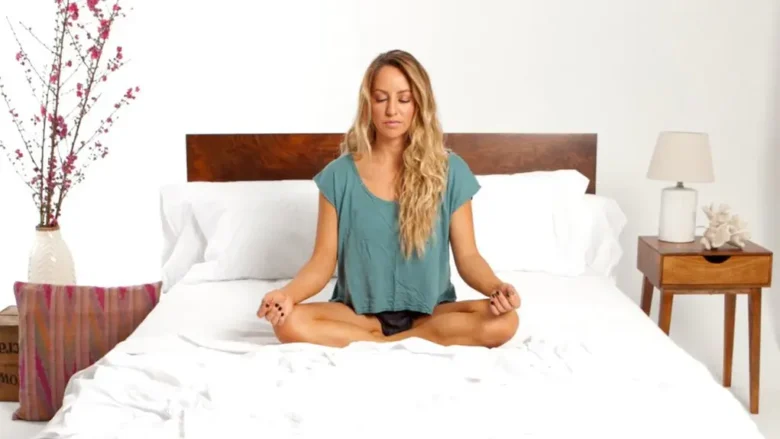
Even when your body is exhausted after a long day, your brain can stay active. It can be hard to relax if you’ve ever stared at the ceiling and replayed the day. A calming evening routine is like slowly pulling into a quiet parking space instead of abruptly hitting the brakes. It allows you to unwind, feel better, and give your body a sense of security so you can rest peacefully. An evening routine doesn’t have to be strict or perfect; it just needs to fit your habits. Developing a few simple habits can transform a chaotic night into a peaceful one. These small habits send signals to your brain that tell you, “The day is over.” And this approach is the real starting point for improving your sleep quality.
Why Your Evening Routine Matters:
Your evening habits are more than just a list; they send signals to your brain. They tell your body whether it’s time to sleep or stay awake. When the night is busy, noisy, and filled with screens, your brain is still in “day mode.” But if you slow down, everything becomes calmer. It’s like dimming the lights at a party to signal it’s time to leave. The same is true for your body. Repeatedly engaging in calming activities helps your brain develop routines, and routines make you feel better. Over time, your habits form a bridge between “doing” and “being,” between “stress” and “rest.” This approach makes it easier to relax.
Creating a Calming Environment:
A calm environment affects how you feel. Busy, noisy, or brightly lit places make you more alert. Conversely, a calm environment is akin to inhaling deeply. Small changes in your bedroom can make a big difference. Soft lighting, fewer distractions, and a sense of order can all change the overall atmosphere of your night. It doesn’t have to be drastic. Making your bed or opening a window can make the room feel warmer. In a calm environment, your thoughts will also calm down.
Put Your Technology Away and Relax:
It’s undeniable: television is everywhere. While useful, it’s not good for your sleep. Surfing the internet, getting information, and staying informed will keep your brain sharp. Watching TV isn’t a relaxing way to fall asleep. Putting your computer away at night might feel strange for a moment, but you’ll find it feels really good afterward. Putting your electronic devices away frees up time for calmer activities, like pursuing a hobby. Many people use Calm (https://www.calm.com) or Headspace (https://www.headspace.com) to relax and listen to soothing music. Generally, the less screen time you have, the calmer your mind will be.
Take Care of Your Body Before Bed:
What you eat and drink in the evening affects the quality of your sleep. Fatty foods can make you feel uncomfortable. Lighter foods are easier to digest. We strive for balance, not restriction. Choose light, filling meals, but don’t overeat. Drinking plenty of fluids is also important, but drink small amounts regularly to avoid waking up constantly. When your body relaxes, your brain has less to concentrate on. It’s more about preparing for rest than about performing.
Truly Effective Relaxation Methods:
You don’t have to take long courses or do strenuous workouts to relax. The simplest methods aren’t always the best. You can relieve stress by breathing slowly, stretching gently, or even just sitting quietly. These quiet moments give your nervous system a chance to recover from the constant stimulation. Consistency is more important than pressure. Taking a moment to relax every evening can be more effective than an hour a week. If you relax daily, your body will gradually get better at it.
Mindfulness Exercises at the End of the Day:
Just like your body, your brain needs rest. If you end your day with a purpose, your mind won’t be cluttered with thoughts as you fall asleep. Sometimes it can help to read a few pages, write something in a notebook, or reflect on something positive that happened that day. This can blur the line between “day mode” and “night mode.” It can also help you process your emotions instead of dwelling on them. A peaceful mind doesn’t feel heavy.
Building a Gentle Wind-Down Ritual:
Simple Steps That Signal “It’s Time to Rest”
You only need a simple relaxation method before bed. It’s all about calming your mind and body and is easy to repeat. By doing these small things repeatedly, you’re signaling to your brain that the day is coming to an end.
Easy Habits You Can Mix and Match
- Dim the lights to make the room more comfortable and create a calming atmosphere.
- Wear comfortable clothing to signal that you’ve finished your work.
- Prepare your tasks for tomorrow in advance so you don’t have to constantly think about them.
- Choose a relaxing activity, such as reading, stretching, or writing in a journal.
- Take a few calm, deep breaths before bed.
The important thing isn’t to try every method that works, but to do a few things. Just developing one of these habits will make your nights feel more organized and less rushed.
Maintain Regularity Without Stress:
Stress disrupts your peace, while regularity makes everything easier. Your schedule should serve you, not control your life. Life has its quiet and chaotic nights, and that’s okay. Perfection isn’t the goal; growth is. Just start with a few habits, and the rest will evolve naturally. Plans change, and your habits change with them. It can adapt to your needs. Flexibility isn’t giving up; it’s wise. When you take good care of yourself, your daily routine becomes a haven, not a chore.
Conclusion:
One of the best things you can do for yourself is develop the habit of relaxing every night. It’s a commitment that doesn’t require constant activity. Your body knows when it needs rest. When your outer self calms down, your inner self will too. These little routines will eventually grow into a refuge you can retreat to when things get hectic. You’ll find yourself falling asleep more easily, waking up refreshed, and having a clearer mind in the morning. Remember, gentleness is more important than perfection. Make sure you get plenty of sleep before bed, not just right before you fall asleep. It all starts with how you end your day.
FAQs:
1. What should I do every night?
1. Doing something every night can take 10 to 15 minutes, or even an hour. Consistency is more important than duration. Choose a duration that works for you so you can stick to it. Short routines can also be very effective.
2. What if I don’t have much time in the evening?
There is absolutely no issue. Do something that calms you, like deep breathing or dimming the lights. Even small, consistent daily habits can help you develop a strong rhythm. Quality is more important than quantity.
3. Can I adjust my routine if my plans change?
Of course. What you do each day should vary with your life. If something goes wrong, carefully restructure your routine. Flexibility in your schedule helps maintain a reasonable and relaxed state of mind.
4. Can I listen to music before bed?
Yes, soft, soothing music is very helpful for relaxation. Don’t turn up the volume too high and don’t listen to loud music. The most important thing is to calm your mind, not to overexcite it.
5. How long should I relax before bed?
It’s recommended to start 30 to 60 minutes before bed. This gives your body time to relax naturally. If that doesn’t work, you can gradually increase the relaxation time.

